The Making of a Star: How Unconventional Coaching and Parental Trust Shaped Abhigyan Kundu
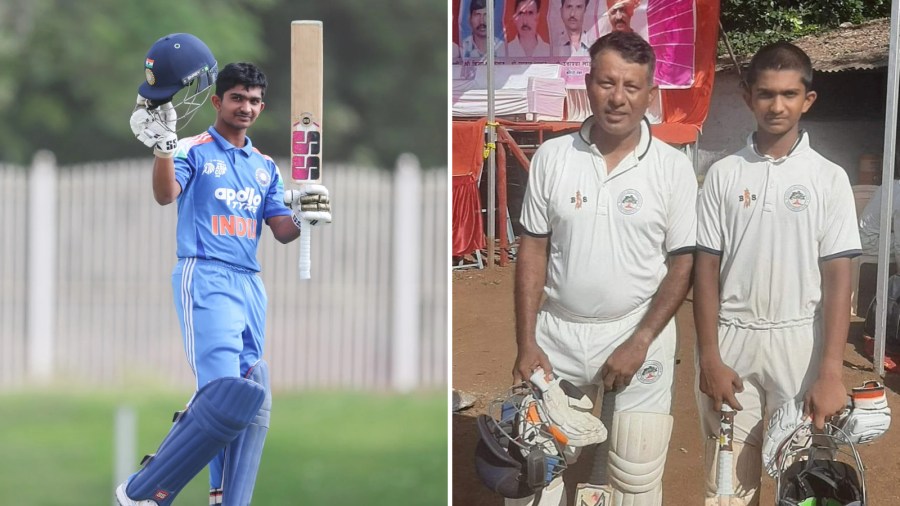
In the high-pressure cauldron of the ICC Under-19 World Cup, Mumbai's wicketkeeper-batsman Abhigyan Kundu played an innings that spoke volumes of his temperament. His calm and responsible 80 against Bangladesh wasn't just about runs; it was the culmination of a unique cricketing education that prioritized life lessons as much as batting technique. This journey began not on pristine turf but with a simple parental plea to a coach in Navi Mumbai: to channel their son's boundless, sleep-defying energy.
The architect of this transformation is coach Chetan Jadhav, a disciple of the legendary Ramakant Achrekar. Jadhav's philosophy extends far beyond the nets. Before accepting a young Abhigyan, he set one non-negotiable condition: his parents – an engineer and a doctor – would not interfere in his cricketing journey. "I take only players whose parents are working. I don't want involvement," Jadhav states, highlighting a deliberate move to shield talent from the intense parental pressure common in Mumbai's cricket circles.
Jadhav's methods were intentionally unorthodox. To build character and resilience, he made the comfortably middle-class Abhigyan travel in unreserved train compartments, sleep a night at a railway station, and share meals with players from economically disadvantaged backgrounds. "Cricket alone isn't enough," Jadhav explains. "He needs to learn about life." This grounding was paired with Achrekar's old-school, rigorous training: facing 5,000 balls a day, running two overs every alternate day, and meticulous documentation of every session across over 6,000 GB of video footage.
The results were staggering. By age 13, Abhigyan had amassed nearly 29,000 runs, including 97 centuries—among them, scores of 400+ and 300+. Yet, as Jadhav notes, the most impressive aspect was his mindset: "Whether he scores 100, 200, or 300, he never shows off his bat. He just focuses on batting." This focus earned him rapid progression through Mumbai's age-group cricket, from the Under-16 side to zonal academies.
Crucially, the parental distance Jadhav insisted upon has been maintained. During his crucial World Cup knock, Abhigyan's father received updates from coaches, not live broadcasts. The family's focus has remained equally on academics, with Abhigyan scoring 82% in his Class 10 exams and currently preparing for his Class 12 board exams even amidst the World Cup frenzy. "He's more worried about exams than cricket right now," Jadhav laughs.
Abhigyan Kundu's story is a compelling blueprint for modern talent development. It demonstrates that success at the highest level can be nurtured not just through technical drills, but by fostering mental toughness, perspective, and a balanced life—all starting from a coach's radical trust and a family's wise restraint.
The architect of this transformation is coach Chetan Jadhav, a disciple of the legendary Ramakant Achrekar. Jadhav's philosophy extends far beyond the nets. Before accepting a young Abhigyan, he set one non-negotiable condition: his parents – an engineer and a doctor – would not interfere in his cricketing journey. "I take only players whose parents are working. I don't want involvement," Jadhav states, highlighting a deliberate move to shield talent from the intense parental pressure common in Mumbai's cricket circles.
Jadhav's methods were intentionally unorthodox. To build character and resilience, he made the comfortably middle-class Abhigyan travel in unreserved train compartments, sleep a night at a railway station, and share meals with players from economically disadvantaged backgrounds. "Cricket alone isn't enough," Jadhav explains. "He needs to learn about life." This grounding was paired with Achrekar's old-school, rigorous training: facing 5,000 balls a day, running two overs every alternate day, and meticulous documentation of every session across over 6,000 GB of video footage.
The results were staggering. By age 13, Abhigyan had amassed nearly 29,000 runs, including 97 centuries—among them, scores of 400+ and 300+. Yet, as Jadhav notes, the most impressive aspect was his mindset: "Whether he scores 100, 200, or 300, he never shows off his bat. He just focuses on batting." This focus earned him rapid progression through Mumbai's age-group cricket, from the Under-16 side to zonal academies.
Crucially, the parental distance Jadhav insisted upon has been maintained. During his crucial World Cup knock, Abhigyan's father received updates from coaches, not live broadcasts. The family's focus has remained equally on academics, with Abhigyan scoring 82% in his Class 10 exams and currently preparing for his Class 12 board exams even amidst the World Cup frenzy. "He's more worried about exams than cricket right now," Jadhav laughs.
Abhigyan Kundu's story is a compelling blueprint for modern talent development. It demonstrates that success at the highest level can be nurtured not just through technical drills, but by fostering mental toughness, perspective, and a balanced life—all starting from a coach's radical trust and a family's wise restraint.
Also Read | How Harbhajan's off-spin made Ricky Ponting feel alone and helpless
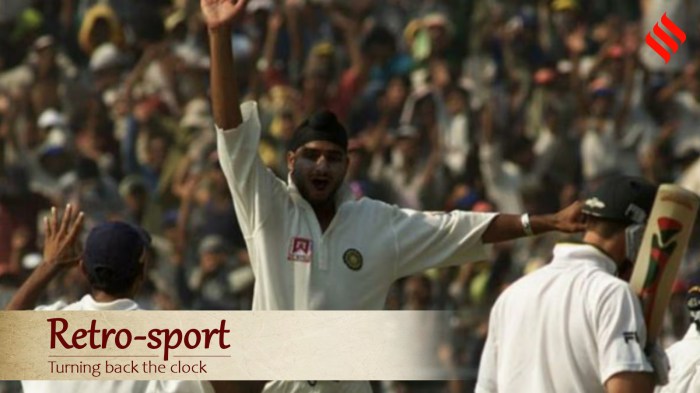
The famous 2001 Test win against Australia was all about the Dravid-Laxman partnership, as well as how Harbhajan Singh's final trap sent the famous Australian line-up on a 16-match losing streak Was. details the mood in the Australian camp and how their batting deteriorated under constant pressure from Harbhajan. The atmosphere was there, but from the moment I stepped into this country for the first time, it became clear to me that Indians respect him. Knew. Didn't worry Ng. Deep deep. It might have changed, but clearly it did not.
Which became the third team to win the Test after four matches. Had batted against.
Don't believe that he had Dravid LBW in the last over before lunch. He was completely terrified at the conclusion of this Test - a quip for which he somehow escaped scrutiny - I don't think he was particularly thinking about it (Ponting bowling), some LBW decisions. It's also the last day about the decision, but they should have included it because it was equally controversial,'' he wrote.
Gave consolation.
"But as soon as Harbhajan started swinging the ball in the Test, I was there immediately," Miley said.
Decided to go down while winging it. For helping me to solve my problems against f spinner. Will take turning wickets to get the score.
I made sure that when I was captain I was always there for the players who were struggling.
Which became the third team to win the Test after four matches. Had batted against.
Don't believe that he had Dravid LBW in the last over before lunch. He was completely terrified at the conclusion of this Test - a quip for which he somehow escaped scrutiny - I don't think he was particularly thinking about it (Ponting bowling), some LBW decisions. It's also the last day about the decision, but they should have included it because it was equally controversial,'' he wrote.
Gave consolation.
"But as soon as Harbhajan started swinging the ball in the Test, I was there immediately," Miley said.
Decided to go down while winging it. For helping me to solve my problems against f spinner. Will take turning wickets to get the score.
I made sure that when I was captain I was always there for the players who were struggling.
Also Read | Why does Anil Kumble think Sanju Samson's signing will contribute to CSK's fan following?
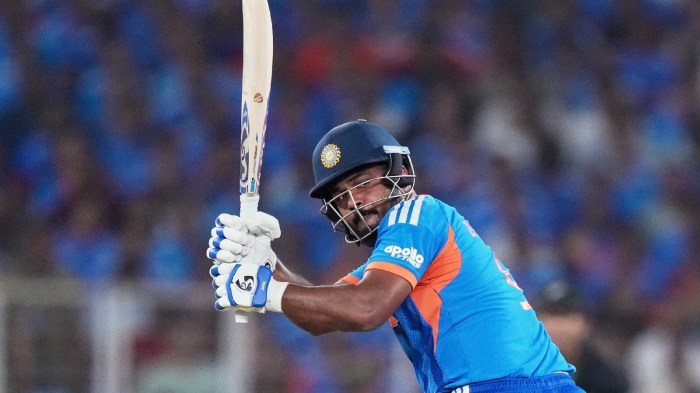
Former India bowler Anil Kumble opened up about Sanju Samson's move from Rajasthan Royals to Chennai Super Kings ahead of the upcoming Indian Premier League season starting on March 28. Champion CSK will take on Sanju's former franchise RR in their opening match on March 30 in Guwahati.
Continue the session. .
Continue the session. .
Also Read | Why can the team's total score be 300 runs in the 2026 IPL?
The descriptions of batsmen who saw their teams slip when the 300-run mark in T20 was within arm's reach are akin to those of mountaineers who were caught back on base within touching distance of E. Had to move away. were looted; Rerana. Can. The hawks are waiting.
Also Read | Kamran Akmal criticized the Pakistan team after the series loss to Bangladesh: 'Do you want to steal the ICC trophy and bring it back?'
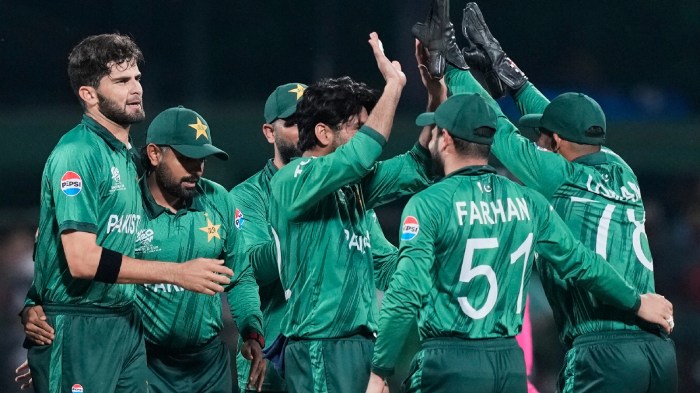
After a disappointing performance in the ICC T20 World Cup, Pakistan suffered an ODI series defeat to Bangladesh. Tore both of them and said that at this pace, how will the party progress?
And you have to remain fit in all three departments.
And you have to remain fit in all three departments.
Also Read | Why can the team's total score be 300 runs in IPL 2026?
The descriptions of batsmen who saw their teams slip when the 300-run mark in T20 was within arm's reach are akin to those of mountaineers who were caught back on base within touching distance of E. Had to move away. were looted; Rerana. Can. The hawks are waiting.